
Industrial buyers rarely struggle to find a rope supplier. The harder part is choosing a rope or cordage that suits the actual job, holds up in the working environment, and stays commercially practical over repeat orders. A better buying discussion starts with application fit, not with catalogue language alone.
Start with the job, not just the product name
Different rope and cordage requirements can look similar on a quotation sheet while behaving very differently in use. A line used around water, a general utility cord for lighter handling, and a rope exposed to regular abrasion should not be treated as one interchangeable buying category.
- Environment: Will the product face moisture, outdoor exposure, repeated abrasion, or frequent manual handling?
- Behavior: Is stretch helpful for the use case, or is lower elongation the safer choice?
- Handling: Does the end user need easier knotting, easier coiling, or a more stable line under regular movement?
- Replacement expectations: Will the buyer need visible wear guidance for ongoing use and replenishment?
Material choice changes performance in real use
Buyers often compare synthetic and natural options first because material choice directly affects service behavior. The right question is not which material sounds strongest in isolation. It is which material behavior suits the application.
- Nylon: often reviewed where strength and elasticity are important in the working condition.
- Polyester: commonly considered when buyers want lower stretch and dependable use in wet environments.
- Polypropylene: often compared where lighter weight, floatation, and value-driven buying are part of the decision.
- Natural-fiber options: still relevant in some utility or presentation-led uses, but buyers should keep durability limits visible.
Construction influences handling as much as fiber does
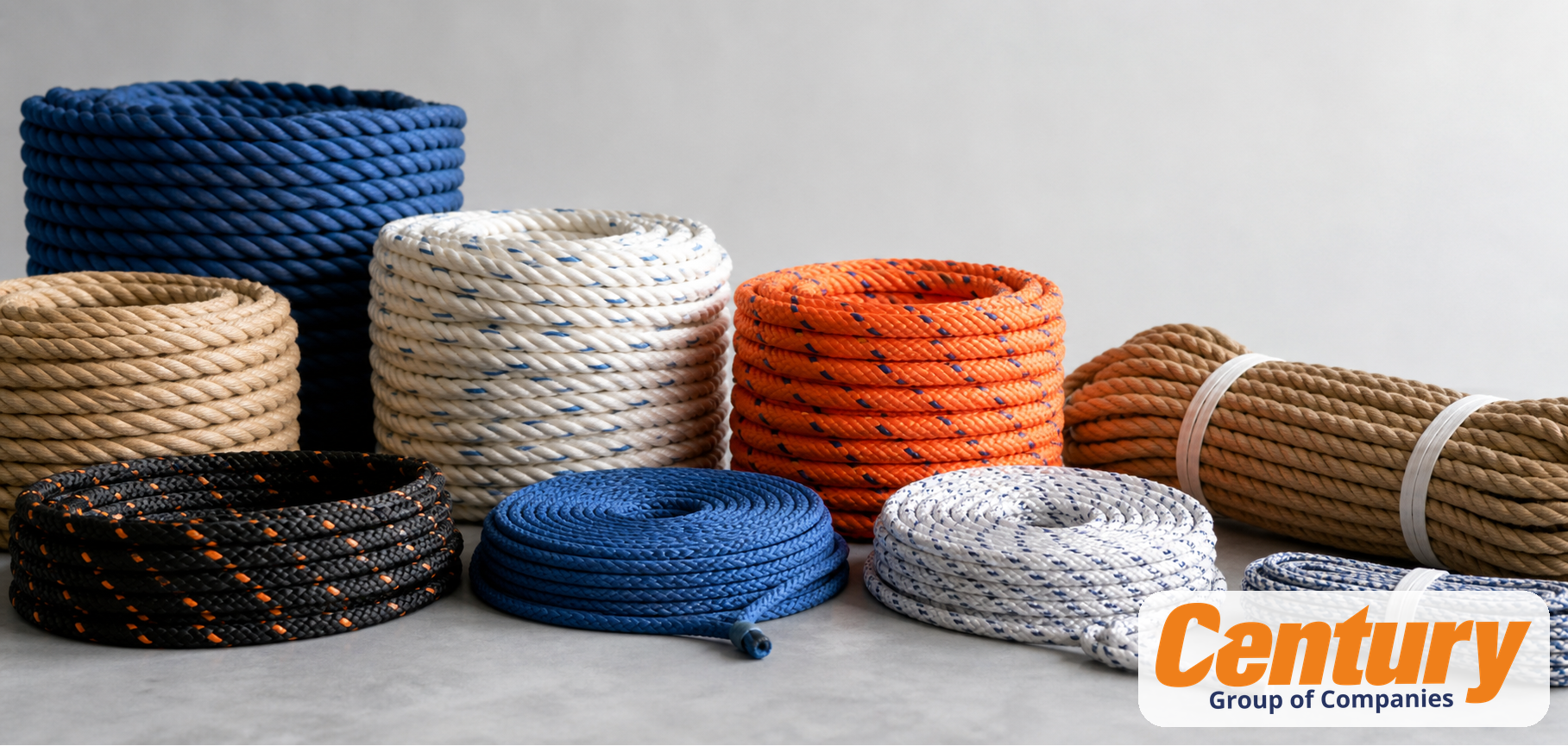
Material is only one part of the selection process. Construction affects grip, flexibility, coiling behavior, and how the product feels in everyday use. For distributors and sourcing teams, grouping ropes and cordages by construction and by use environment usually creates a clearer buying path than presenting every option as equivalent.
Common B2B use cases for ropes and cordages
- General industrial handling and utility tying
- Outdoor and marine-adjacent applications where water exposure matters
- Agriculture and field-use requirements where handling and durability both matter
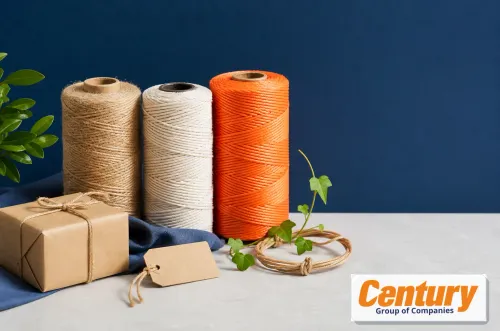
- Packaging, bundling, and warehouse utility tasks using lighter cordage formats
Why wear and replacement guidance matters
Commercial buyers increasingly expect practical guidance on inspection, wear, and replacement. That matters because a rope that still looks usable at first glance may already be losing value if abrasion, fraying, or repeated environmental exposure have started to change its condition.
- Look for fraying and surface damage in high-contact areas.
- Check whether moisture, UV exposure, or repeated abrasion are shortening useful life.
- Replace lines when visible wear could affect dependable handling or safe use.
Questions worth settling before the order
- What exact job will the rope or cordage perform every day?
- Will the line work in wet, outdoor, or abrasive conditions?
- Is stretch desirable, neutral, or a problem for this use case?
- Does the team need a heavier rope, a lighter cordage, or a more application-specific format?
- What inspection and replacement guidance should accompany repeat supply?
Working with Century
New Century Filaments Pvt. Ltd. presents itself on its official site as a manufacturer and exporter of yarns, threads, twines, narrow woven fabrics, ropes and cordages, pet accessories, and packaging bags. For buyers reviewing a rope or cordage requirement, the most practical next step is to define the application clearly and confirm the preferred product direction directly with the Century team instead of assuming one standard line fits every condition.
FAQ
What should buyers compare first in ropes and cordages?
Start with end use, environment, and handling behavior. Material and construction choices should follow those needs.
Are ropes and cordages interchangeable terms in buying decisions?
They may overlap in everyday use, but buyers still benefit from separating heavier rope needs from lighter utility cordage and matching each line to the actual task.
What if public product pages do not show detailed specifications?
That is a normal reason to move into an application-led supplier discussion. Buyers should confirm the exact requirements before approval or ordering.