

Tea bag thread looks simple, but it has a direct effect on pack presentation, sealing consistency, operator efficiency, and the consumer’s handling experience. For tea brands, co-packers, and sourcing teams, the right thread must work reliably with the selected tea bag format, machine setup, and pack positioning without creating avoidable downtime.
Where Tea Bag Thread Fits in the Packaging System
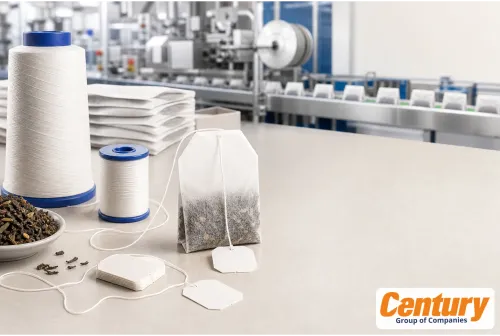
In string-and-tag tea bag formats, the thread is not an isolated component. It works together with the filter paper, the bag geometry, the tag, the attachment method, and the packing machine. A sourcing decision that looks acceptable on paper can still create production problems if the thread does not run smoothly across the line or if it behaves differently during high-volume packing.
What Buyers Usually Evaluate First
- Machine compatibility: the thread should feed, cut, and attach consistently on the intended packing line.
- Clean presentation: the thread should support a neat final pack without uneven handling or visible inconsistency.
- Strength in use: the thread should remain dependable during packing, cartoning, transport, and consumer brewing.
- Material suitability: buyers should confirm whether the thread matches the intended tea bag design and food-contact expectations for the destination market.
Key Questions Before Finalizing a Supply Program
1. Which tea bag format will use the thread?
Flat tea bags, double-chamber bags, round tea bags, and string-and-tag formats can place different demands on the packaging line. A buyer should define the exact application before evaluating supply options because thread behavior that works for one format may not be ideal for another.
2. How stable is the thread during production?
Packaging teams usually want stable unwinding, clean handling, and repeatable attachment performance. In practice, this means asking the supplier how the thread is prepared for production use, how consistency is maintained from lot to lot, and what quality checks support the packing line.
3. What matters more in this project: speed, presentation, or flexibility?
Some tea brands prioritize high-volume packing efficiency. Others focus on retail presentation, tag appearance, or smaller specialty runs. The right sourcing discussion should match the thread program to the commercial model instead of treating all tea bag lines as identical.
Common B2B Use Cases
- Black tea and green tea retail packs using string-and-tag tea bags
- Herbal and wellness infusions where handling and brand presentation matter
- Private-label tea programs that need stable packaging inputs across repeat orders
- Export-focused tea packing operations that must align supply with destination market expectations
Why Material Discussions Have Become More Important
Tea packaging buyers are paying closer attention to the full bag system, not just the tea blend. Recent coverage around microplastic release from some tea bag materials has increased scrutiny on packaging inputs and consumer-facing claims. That does not mean every thread program should make the same claims, but it does mean procurement and packaging teams should confirm the intended material approach early and document it clearly.
Operational Risks That Good Sourcing Can Reduce
- Interrupted production caused by inconsistent running behavior
- Rejected packs because the tea bag presentation looks uneven
- Rework caused by mismatch between thread supply and machine setup
- Delays in export or compliance review when product documentation is incomplete
Supplier Checks That Add Value
Before placing larger orders, many buyers ask for application-level confirmation rather than only a price comparison. A practical supplier discussion often includes end use, machine type, pack format, spool or supply preference, order frequency, and destination market requirements. That approach reduces trial-and-error later in production.
Working with Century
New Century Filaments Pvt. Ltd. lists Tea Bag Thread within its thread product range and positions itself as a manufacturer and exporter of yarns, threads, twines, narrow woven fabrics, pet accessories, and packaging bags. For buyers evaluating tea bag thread, the most useful starting point is a requirements discussion around packaging application, line behavior, and supply consistency rather than assumed standard specifications.
Frequently Asked Questions
How should a buyer compare tea bag thread suppliers?
Compare them on application fit, supply consistency, machine suitability, and documentation support, not only on quoted price.
Does tea bag thread need to be discussed together with the full tea bag structure?
Yes. The thread, bag material, tag, and packing line affect each other, so decisions are stronger when evaluated as one packaging system.
What should buyers confirm when technical details are not listed publicly?
Confirm the intended use, material expectations, pack format, production conditions, and destination requirements directly with the supplier before approval.