
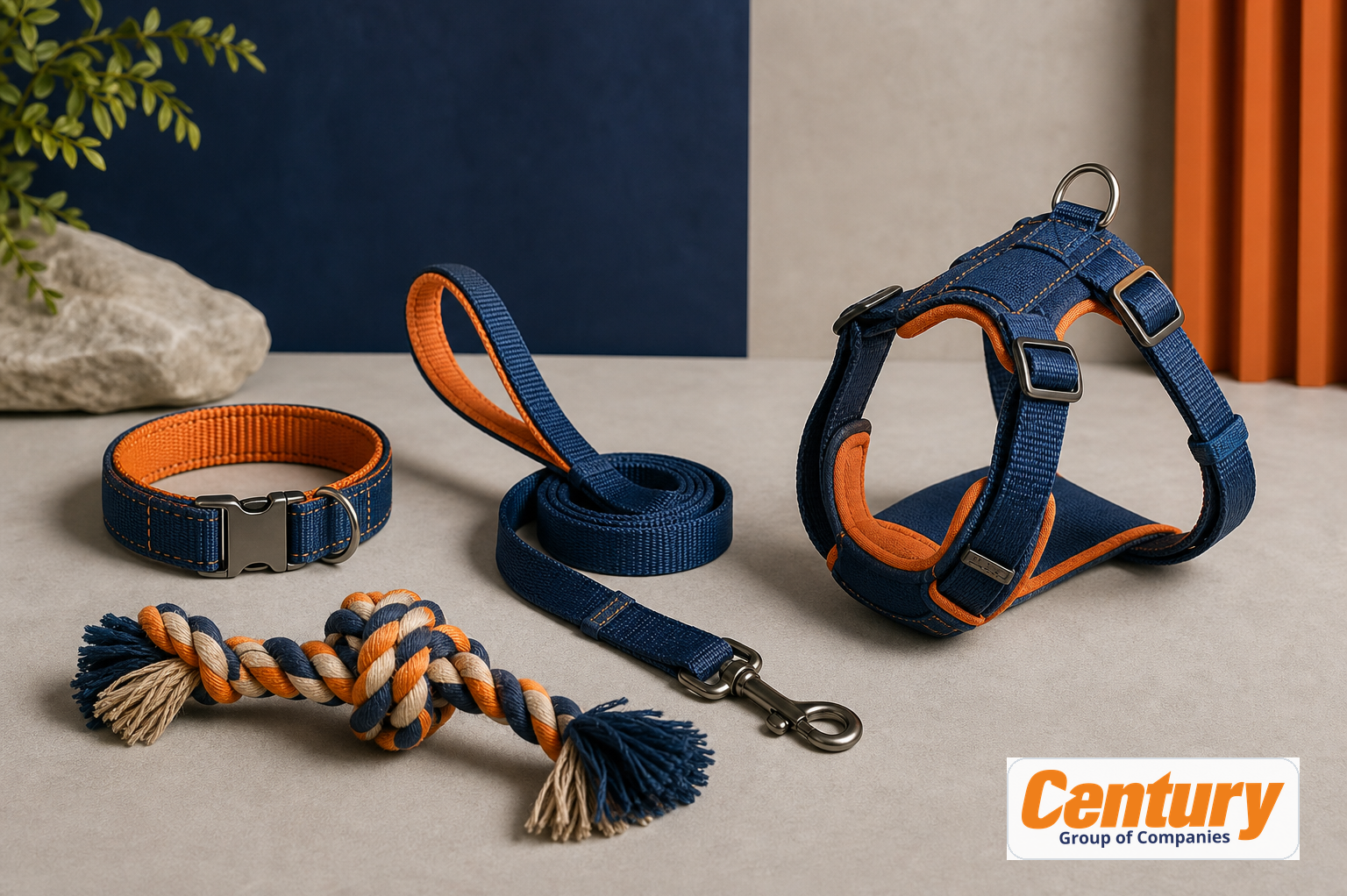
Dog collars, leashes, harnesses, and rope toys may sit in different merchandising buckets, but buyers usually feel the same pressure across all four: reduce returns, match real use cases, and keep the range easy for retailers and end users to understand. A pet accessories program performs better when it is built around daily walking, control, fit, visibility, and supervised play instead of a generic assortment list.
Start with the use case, not just the SKU count
Recent buying and review patterns still split demand by scenario. Some products are chosen for quick neighborhood walks, some for stronger pullers, some for hiking and travel, and some for low-light or higher-control situations. That means a wholesale assortment should cover practical needs clearly rather than offering multiple items that all solve the same problem.
- Collars: daily identification, everyday wear, visibility, and easy adjustability.
- Leashes: walking control, length suitability, hand comfort, and hardware reliability.
- Harnesses: fit, chest support, control for pullers, and simpler handling for specific dog behaviors.
- Rope toys: supervised play, chewing resistance expectations, and replacement frequency.
What sourcing teams should check in collars
Collars are often treated as the easiest item in the line, but fit problems drive complaints quickly. Buyers should look at size breakpoints, adjustability range, buckle behavior, and whether the product is meant for everyday wear, visibility, or identification utility. Reflective details and personalization can matter commercially because they connect directly to common retail questions.
A practical collar range usually separates lightweight everyday options from higher-visibility or personalized options instead of trying to make one style cover every scenario.
What makes leash selection more commercial than it looks
Leash choice is strongly linked to walking context. Six-foot everyday leashes, shorter control-oriented options, and longer training or outdoor-use lengths all answer different buyer needs. Durable webbing, strong clips, easy cleaning, and extra control handles can all change how a product performs in real use.
- Urban and routine walking: buyers often prefer simple, dependable formats that are easy to clean and easy to explain at retail.
- Higher-control situations: traffic handles or added grip points can improve handling in crowded areas.
- Outdoor or training use: length options, hardware strength, and material feel become more important.
Harnesses need clearer segmentation
Harness buying has become more scenario-based. Current market comparisons sort harnesses by active dogs, quick trips, nervous dogs, car-safety use, hiking, or escape-prone dogs. For B2B buyers, this means harness assortment planning should focus on application clarity: which products are for everyday walking, which offer stronger security, and which are better kept out of general-use positioning.
Fit guidance also matters. Buyers increasingly expect harness products to support clear chest and body measurement logic instead of vague size naming alone.
Rope toys should be sold with wear expectations in mind
Rope toys still have strong retail appeal, but supervised-play messaging is important. Fraying, heavy chewing, and replacement timing are recurring concerns in current search and editorial patterns. For wholesale buyers, that means rope toys should be positioned as monitored play products with realistic durability expectations, not as indefinite-use items.
Questions that reduce returns and mismatched orders
- Is the product designed for everyday walking, control, training, travel, or supervised play?
- How clearly can the retailer explain sizing and fit at shelf level or online?
- Are visibility, personalization, or added control features part of the value story?
- Does the assortment cover multiple dog sizes without confusing overlap?
- Which items need stronger replacement guidance because wear is part of normal use?
Why assortment logic matters more than broad product count
Buyers do not necessarily win by carrying the most styles. They usually win by carrying the right mix of everyday, control-oriented, and specialized products with clearer differentiation. That makes sourcing, selling, and replenishment easier across both distribution and retail channels.
FAQ
Should collars and harnesses be sold as the same decision?
No. Many buyers now treat them as separate use-case decisions because everyday identification, walking control, and specific dog behaviors can require different solutions.
What makes a leash range easier to sell?
Clear length options, durable hardware, useful control features, and a simple explanation of where each leash fits in daily use.
How should rope toys be positioned?
As supervised-play items that should be checked for wear and replaced when fraying or damage appears.
What is the biggest sourcing mistake in pet accessories?
Building the range around generic category labels instead of real dog-walking and play scenarios.