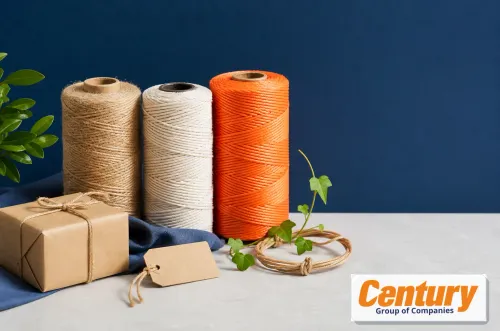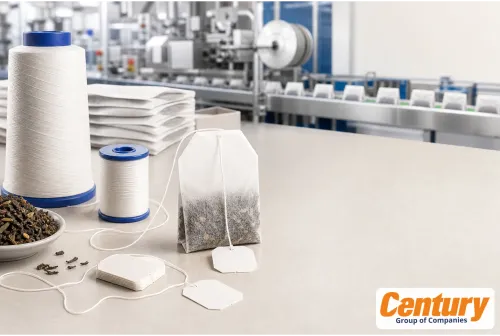

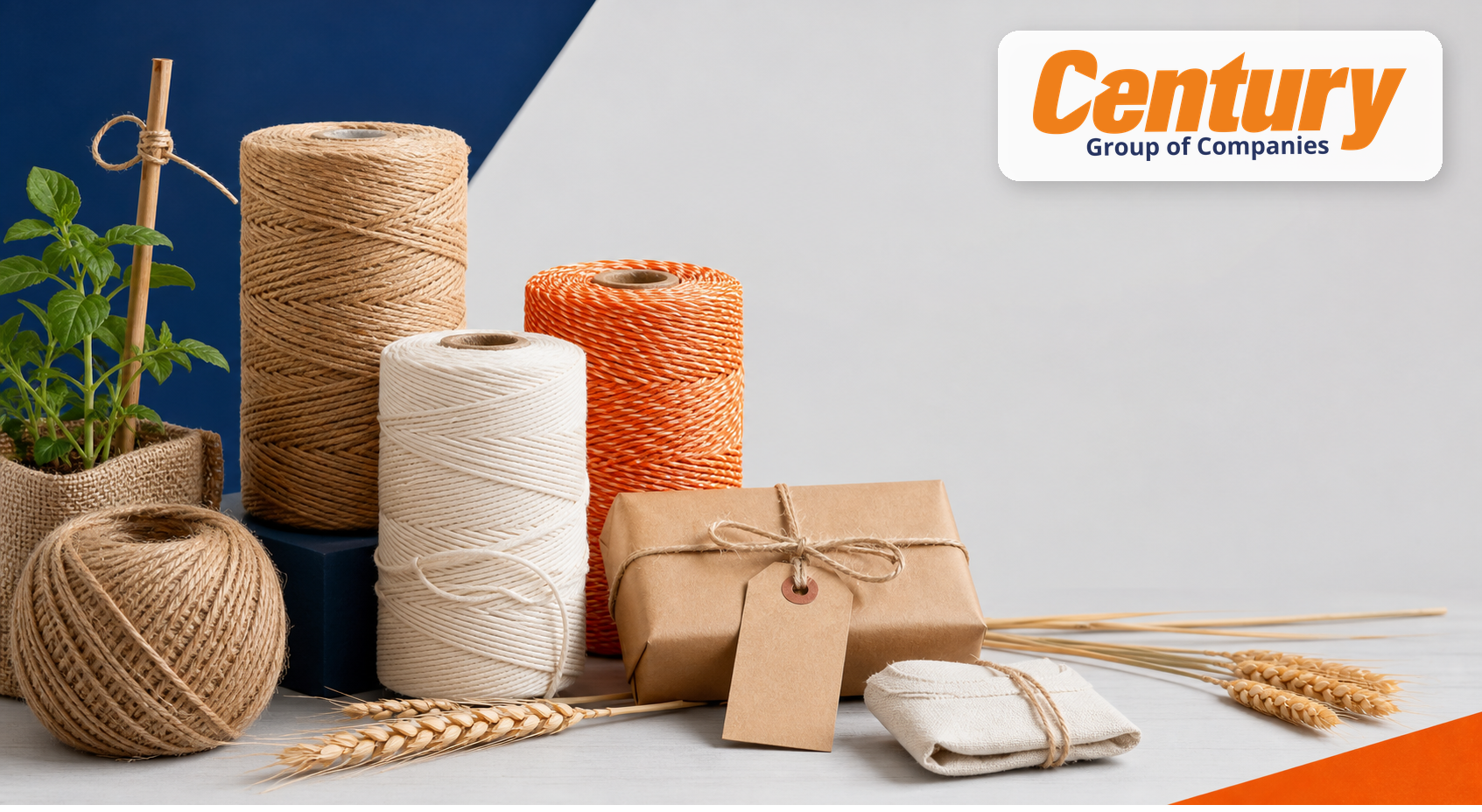
Twine is a simple product category, but it serves very different commercial jobs across packaging, agriculture, food handling, gardening, retail presentation, and general utility work. For B2B buyers, the main risk is treating all twines as interchangeable when the real decision should match the material and construction to the actual application.
Twine Selection Starts with the Job, Not the Price List
A buyer looking for carton bundling twine, garden twine, butcher's twine, or agricultural twine is not solving the same problem. The required strength, surface feel, flexibility, handling behavior, and environmental fit can change significantly depending on whether the twine will touch food, secure bundles, support plants, or work in repeated industrial handling.
Common Commercial Use Cases for Twines
- Packaging and bundling: tying cartons, product packs, tags, and grouped retail items.
- Agriculture and horticulture: plant support, tying crops, and general field or greenhouse handling.
- Food preparation and food-adjacent handling: butcher's twine and similar applications where fiber suitability matters.
- Craft, gift, and retail presentation: where appearance and handling are part of the final presentation.
- Utility and warehouse use: light-duty tying, organizing, and temporary securing tasks.
What Buyers Usually Compare First
1. Material fit
Natural and synthetic twines behave differently. Jute is often chosen for biodegradable gardening and rustic packaging use. Cotton is commonly preferred for soft handling and food-related tying jobs such as butcher's twine. Synthetic twines are often selected when moisture resistance, lighter weight, or longer service life is the bigger priority.
2. Strength versus handling
More strength is not always better if the twine becomes difficult to tie, too stiff for the task, or unsuitable for the product being handled. Buyers typically want enough holding power for the job without sacrificing knot performance, operator comfort, or presentation.
3. Surface finish and user experience
For some jobs, a clean natural look matters. For others, buyers care more about smooth unwinding, reduced breakage, or easier handling in fast-moving packing environments. The right twine is the one that performs well in the actual workflow, not just the one that sounds strongest on paper.
Questions Worth Asking Before Approval
- Will the twine be used for food contact, gardening, bundling, crafts, or general utility?
- Does the job require a natural-fiber appearance or a more durable synthetic option?
- How important are biodegradability, moisture behavior, or shelf presentation?
- Will operators tie it by hand, run it through a packing process, or use it in repetitive daily handling?
- Does the buyer need consistent repeat supply for the same application over time?
Why Application Clarity Prevents Expensive Rework
A twine that works well for crop support may be wrong for food handling. A twine chosen for gift-style presentation may not suit heavier bundling. A low-cost choice can become more expensive when it causes operator frustration, inconsistent tying, or a mismatch with the final product appearance. That is why buyers usually get better results when they align the order with the end use first.
Where Century Fits
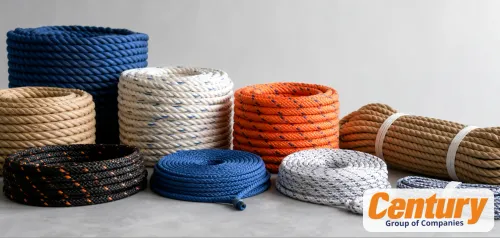
New Century Filaments Pvt. Ltd. lists Twines within its broader product range and presents itself as a manufacturer and exporter of yarns, threads, twines, narrow woven fabrics, ropes and cordages, pet accessories, and packaging bags. For buyers, that makes the most useful starting point a discussion around the intended job, handling conditions, and commercial supply requirements rather than assumptions about one standard twine type.
Frequently Asked Questions
How should buyers choose between cotton, jute, and synthetic twine?
Start with the application. Cotton is often chosen for soft handling and food-related uses, jute for natural or biodegradable presentation and gardening, and synthetic twines for jobs where moisture behavior or longer service life matter more.
Is twine mainly a packaging product?
No. Packaging is one major use case, but buyers also source twine for agriculture, gardening, retail presentation, food preparation, and light industrial handling.
What if the supplier does not publish detailed specifications online?
That is a normal point to move into an application-based discussion. Buyers should share the actual end use and confirm the right product fit before placing production orders.