
When procurement teams review a new supplier, they are not only comparing a price list. They are checking whether the supplier's product range, commercial fit, and communication style are strong enough to support repeat business. For industrial textile categories such as threads, twines, webbings, ropes, cordages, and related packaging products, that first review often decides whether a supplier moves forward to sampling, quoting, or qualification.
What New Century Presents Publicly
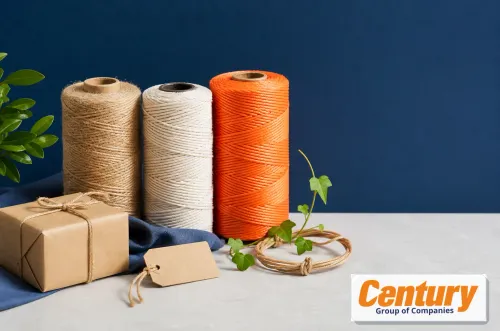
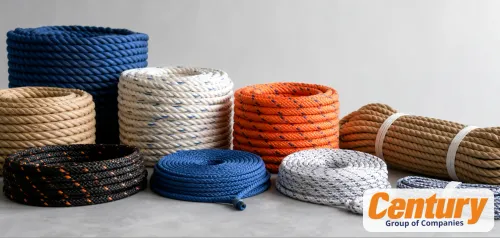
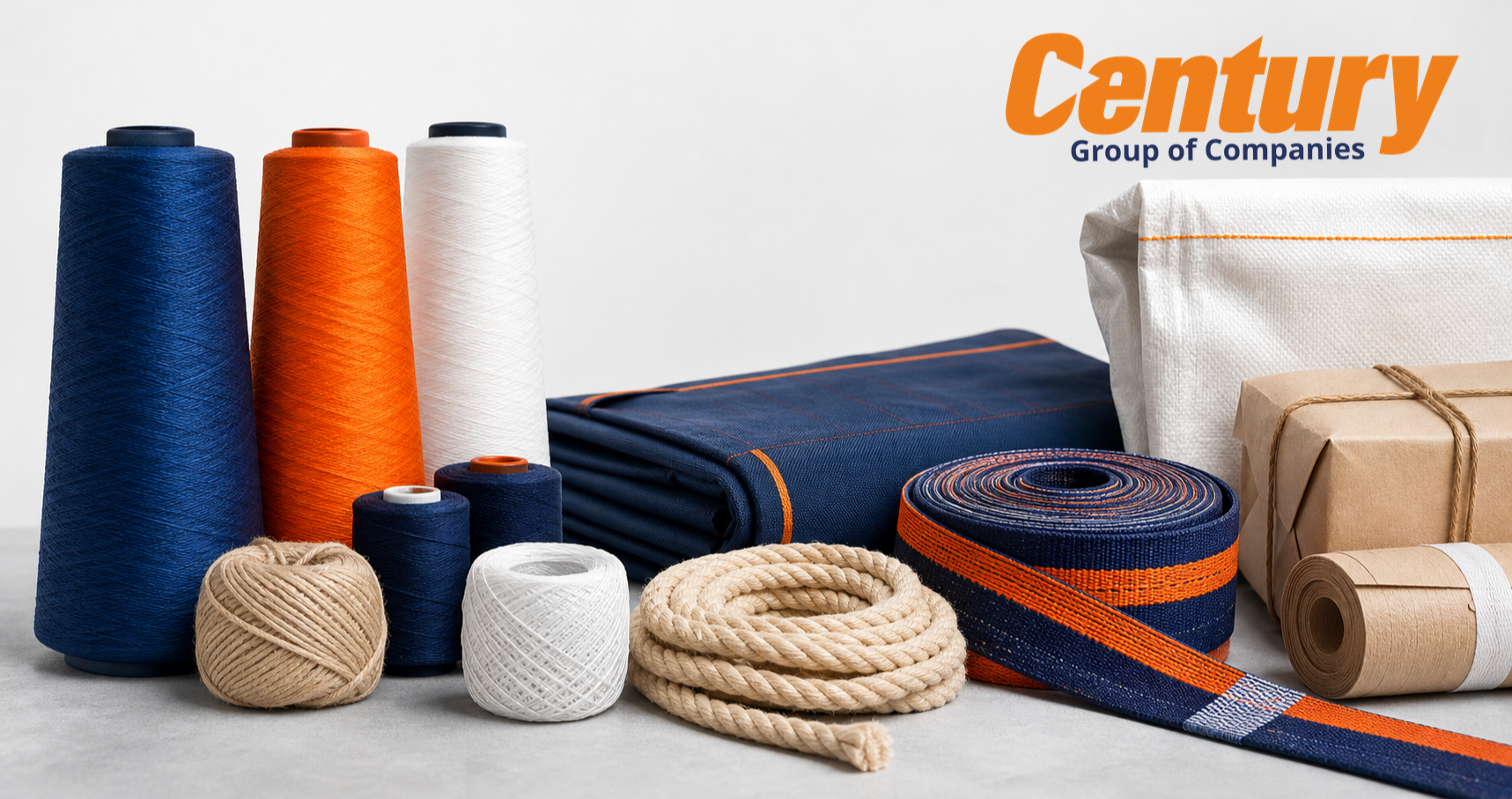
New Century Filaments Pvt. Ltd. identifies itself on its official site as a manufacturer and exporter of yarns, threads, twines, narrow woven fabrics, ropes and cordages, pet accessories, and packaging bags. For a buyer, that broad range matters because it suggests a supplier positioned around multiple flexible product categories rather than a single narrow SKU conversation.
Why Buyers Review the Supplier Profile Before the Product Quote
In many sourcing projects, the first question is not only "Can this supplier make the item?" It is also "Does this supplier look commercially organized enough for the kind of business we want to place?" Buyers typically look for clarity on category fit, responsiveness, consistency, and whether the supplier seems prepared for practical discussions around application, delivery, and repeat supply.
What Procurement Teams Usually Check First
- Category fit: whether the supplier's visible product scope aligns with the buyer's actual requirement.
- Commercial clarity: whether product language is understandable and the supplier profile supports a serious sourcing conversation.
- Supply confidence: whether the business appears ready for repeat orders, not only one-off trading.
- Application understanding: whether discussions can move beyond generic catalog terms into real end-use needs.
- Responsiveness to detail: whether the supplier can handle specification, sampling, and approval questions in an organized way.
Why a Broad Product Portfolio Can Help Buyers
Many buyers prefer dealing with suppliers that already operate across connected categories. A program involving thread, twine, webbing, cordage, pet-accessory components, or packaging materials may move faster when the supplier conversation starts from an understanding of adjacent product families. Even when the buyer needs only one product line today, broader portfolio fit can improve future sourcing flexibility.
Questions Worth Asking New Suppliers Early
- Which product family best matches the intended application?
- What information should the buyer share first to receive a useful quotation?
- How should samples or approval references be aligned before a larger order?
- What repeat-order expectations should be discussed at the start?
- Which product details need direct confirmation instead of assumption?
How Buyers Can Use the New Century Profile
The most practical starting point is to treat the public company profile as a category and sourcing fit check. If the requirement sits within yarns, threads, twines, narrow woven fabrics, ropes and cordages, pet accessories, or packaging bags, the next step is an application-led discussion. That allows the buyer to move from broad supplier fit into the exact commercial and product questions that matter for approval.
Frequently Asked Questions
Why does a supplier profile matter before requesting samples?
Because it helps buyers confirm early whether the supplier's visible category range and commercial positioning match the sourcing requirement.
Is a broad product range always an advantage?
It can be, especially when buyers source across related textile, packaging, or accessory categories. The benefit depends on whether that range aligns with the buyer's program.
Should buyers assume technical details from a general company profile?
No. A public profile is a starting point. Product-specific requirements should still be confirmed directly before approval or order placement.